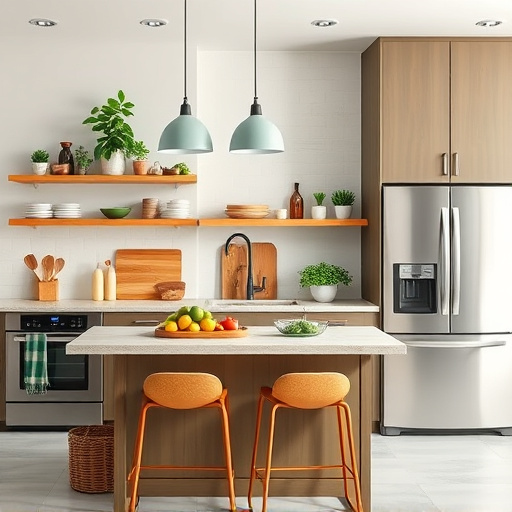
Kitchen renovations prioritizing sustainability offer eco-friendly materials like recycled glass, bamboo flooring, and natural linoleum for reduced environmental impact. Energy-efficient appliances and water conservation measures further enhance green living. These choices contribute to a smaller carbon footprint, waste reduction, and beautiful, functional kitchens.
In today's world, the kitchen is not just a space for meal preparation but a hub of sustainability and eco-conscious living. As consumers become increasingly aware of their environmental impact, the demand for sustainable and eco-friendly materials in kitchen renovations has surged. This article delves into the heart of this growing trend, exploring cutting-edge materials that not only reduce our carbon footprint but also enhance the aesthetics and functionality of our kitchens. We will dissect the challenges posed by traditional materials and offer practical solutions for those looking to create green oases within their homes.
- Exploring Eco-Friendly Options for Kitchen Renovations
- Benefits and Trends in Sustainable Cooking Materials
- Creating an Environmentally Conscious Kitchen Space
Exploring Eco-Friendly Options for Kitchen Renovations
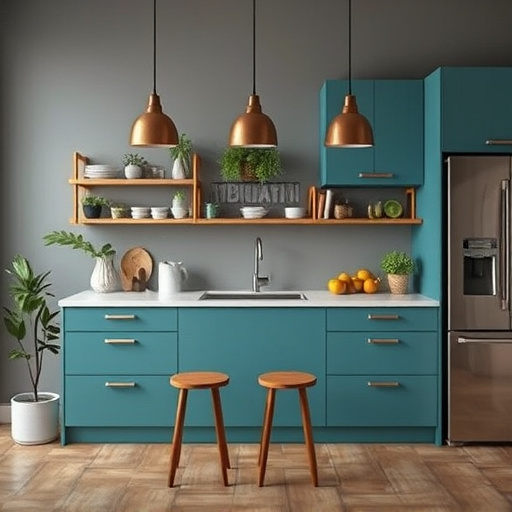
When embarking on kitchen renovations, the choice of materials plays a pivotal role in creating a sustainable and eco-friendly space. This aspect is increasingly important as homeowners seek to reduce their environmental footprint while designing functional and aesthetically pleasing kitchens. One of the key considerations is selecting materials that have minimal impact on the planet throughout their lifecycle, from extraction to installation.
For kitchen surfaces, options like recycled content countertops offer a compelling solution. For instance, some manufacturers use recycled glass or plastic bottles to create durable and visually appealing countertops, diverting waste from landfills. Additionally, solid wood surfaces from responsibly managed forests contribute to a healthier environment by absorbing carbon dioxide and releasing oxygen. It's crucial to look for certifications such as the Forest Stewardship Council (FSC) label to ensure these products meet eco-friendly criteria.
Floorings also present an opportunity for green innovation. Natural linoleum, made from renewable materials like linseed oil, cork, and wood flour, is not only non-toxic but also highly durable. Bamboo flooring is another excellent choice, as it grows quickly and has a lower environmental impact compared to traditional timber. When planning kitchen renovations, consider these eco-friendly alternatives to conventional materials, ensuring your space aligns with sustainability goals while maintaining style and functionality.
Benefits and Trends in Sustainable Cooking Materials

The shift towards sustainability has infiltrated every aspect of our lives, and the kitchen, once a realm of conventional materials, is undergoing a metamorphosis. In today's eco-conscious world, kitchen renovations are not merely about aesthetics; they're a chance to embrace sustainable cooking materials that minimize environmental impact while enhancing functionality. This trend isn't just a passing fad but a growing movement driven by consumers and experts alike who recognize the benefits of natural, recyclable, and non-toxic options.
One of the key advantages is the reduction in carbon footprint. Materials like bamboo, a fast-growing grass, are being utilized for cutting boards, utensils, and even cabinet fronts. Bamboo is not only renewable but also highly durable, making it an excellent alternative to conventional wood products. Furthermore, its natural antibacterial properties reduce the need for chemical coatings, promoting a healthier cooking environment. Another notable trend is the integration of recycled materials, such as reclaimed wood or upcycled metal, into kitchen design. These materials not only provide unique aesthetic appeal but also divert waste from landfills, contributing to a circular economy.
Kitchen renovation experts predict that this shift will continue to gain momentum, driven by consumer demand and technological advancements. For instance, innovative products like plant-based plastics derived from agricultural byproducts offer both sustainability and versatility. As these materials become more accessible and affordable, they empower homeowners to create kitchens that are not only aesthetically pleasing but also aligned with their eco-conscious values. By choosing sustainable alternatives during kitchen renovations, individuals can actively contribute to a greener planet while enjoying the benefits of a functional, beautiful, and healthy cooking space.
Creating an Environmentally Conscious Kitchen Space
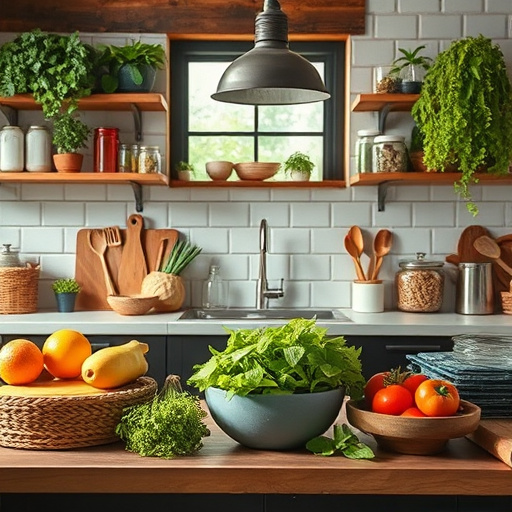
Creating an environmentally conscious kitchen space starts with mindful choices during kitchen renovations or even a simple reconfiguration. The heart of your home can become a beacon of sustainability by selecting eco-friendly materials that not only reduce environmental impact but also enhance aesthetics and functionality. For instance, opting for recycled glass countertops not only lessens landfill waste but offers a unique visual appeal. Similarly, bamboo flooring, known for its rapid renewability, provides a durable and stylish alternative to conventional options. These substitutions collectively contribute to a greener footprint without compromising quality or design.
When it comes to appliances, energy-efficient models are a game-changer. Modern appliances come with eco-conscious features that significantly reduce power consumption without sacrificing performance. Look for the Energy Star label when purchasing refrigerators, dishwashers, or ovens—a surefire way to ensure your kitchen operations remain friendly to both your wallet and the environment. Moreover, consider incorporating smart technology to automate and optimize energy use further.
Water conservation is another critical aspect of green kitchen design. Installing low-flow faucets and water-efficient showerheads are simple yet effective measures that can cut down water usage dramatically over time. Additionally, collecting rainwater for gardening or flushing toilets offers a creative solution to reduce strain on municipal water supplies. Data from the EPA indicates that adopting water-saving fixtures can lead to savings of up to 50% in water bills annually. By integrating these sustainable practices and materials into kitchen renovations, you're not just making a conscious choice; you're setting a standard for eco-friendly living.
In light of the growing global focus on sustainability, transforming your kitchen through eco-friendly and green materials is both an informed choice and a significant contribution to preserving our planet. This article has illuminated several key insights from exploring Kitchen Renovations with an environmental twist. Key takeaways include the vast array of sustainable alternatives available for every aspect of your kitchen, from countertops to cabinets, each offering unique benefits such as reduced environmental impact, durability, and aesthetic appeal. The trend towards incorporating natural materials like bamboo, recycled glass, and reclaimed wood not only minimizes waste but also creates a captivating, earthy ambiance. Furthermore, adopting these eco-conscious practices during Kitchen Renovations can lead to significant energy savings and water conservation in the long term. Moving forward, embracing these sustainable materials is an accessible way for homeowners to actively participate in the global push for a greener future, ensuring that our kitchens are both functional and environmentally friendly.