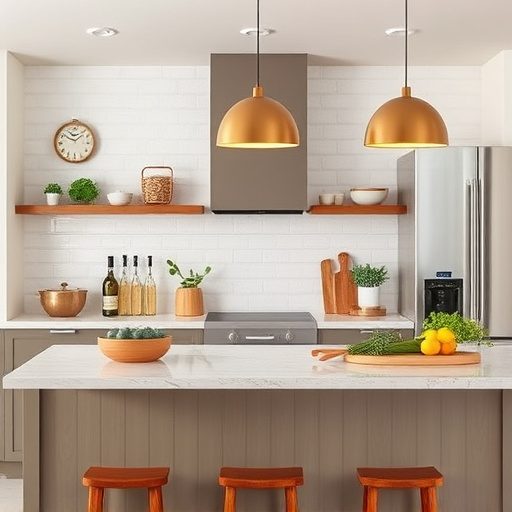
Kitchen renovations prioritize sustainable materials like bamboo, linoleum, and recycled glass for reduced environmental impact and improved indoor air quality. Energy-efficient appliances minimize utility bills. Local and reclaimed materials cut down on transportation emissions. These eco-friendly choices enhance aesthetics, durability, and functionality while promoting broader sustainability across homes and communities.
In today’s world, kitchen renovations are not just about aesthetics but also about sustainability. The choice of materials significantly impacts our environment, making eco-friendly options a crucial consideration for the forward-thinking homeowner. This article delves into the heart of this matter, exploring sustainable and eco-friendly materials that can transform your kitchen while minimizing environmental impact. We’ll guide you through the latest trends, practical applications, and long-term benefits, empowering you to make informed decisions for a greener living space.
- Exploring Eco-Friendly Options for Kitchen Renovations
- Sustainable Materials: From Countertops to Cabinets
- Greening Your Kitchen: Installation and Long-Term Benefits
Exploring Eco-Friendly Options for Kitchen Renovations
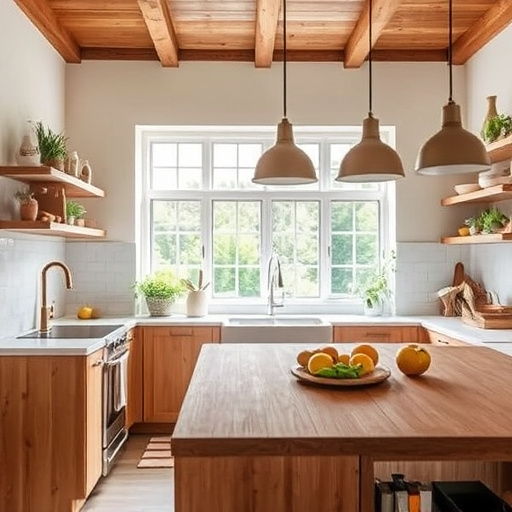
When planning kitchen renovations, opting for sustainable and eco-friendly materials not only aligns with environmental stewardship but also offers a range of practical benefits. One of the key advantages is the reduction of greenhouse gas emissions associated with traditional material production and transportation. For instance, a study by the U.S. Environmental Protection Agency (EPA) found that using recycled content in construction materials can significantly lower life cycle carbon emissions. In the context of kitchen renovations, this translates to choosing products that not only minimize environmental impact but also contribute to a healthier living space.
Consider linoleum for flooring. Made from natural ingredients like linseed oil, jute, and cork, linoleum is highly durable, sustainable, and non-toxic. It offers an attractive, warm aesthetic while providing excellent insulation, which can lead to energy savings in heating and cooling. Similarly, bamboo is a fast-growing grass that can be harvested sustainably, making it an eco-friendly alternative to conventional hardwoods for cabinet materials. Bamboo cabinets not only add a unique, modern touch to any kitchen but also withstand heavy use, ensuring longevity and minimizing waste. Additionally, incorporating recycled glass countertops or solid surface materials made from recycled content provides both durability and a visually appealing, low-maintenance finish.
Another critical aspect is the selection of appliances. Energy-efficient models with certifications like ENERGY STAR can significantly reduce utility bills over time. For instance, LED lighting offers brighter illumination while using up to 75% less energy than incandescent bulbs. Smart appliances equipped with advanced sensors and controls not only optimize energy usage but also water consumption, contributing to overall sustainability. When embarking on kitchen renovations, prioritizing these eco-friendly options ensures a space that is not only aesthetically pleasing but also environmentally responsible.
Sustainable Materials: From Countertops to Cabinets
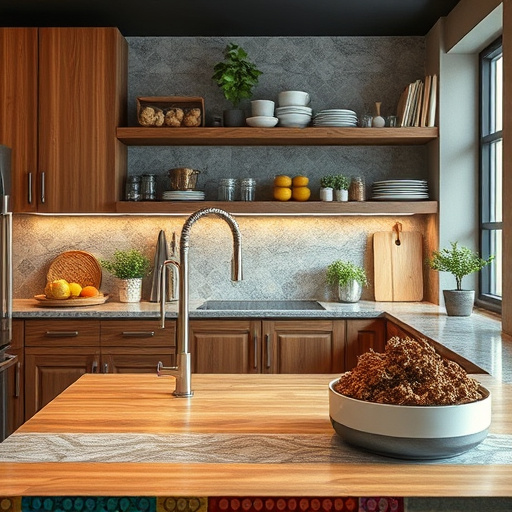
When it comes to kitchen renovations, prioritizing sustainable materials is a significant step towards creating an eco-friendly space. Countertops and cabinets, often the focal points of a kitchen, offer ample opportunities for green innovations. One of the most popular choices is recycled glass countertops, which not only reduce waste but also provide a unique, visually appealing finish. This material is durable and easy to maintain, making it a practical and ethical option. For example, companies like Eco-Tech Surfaces utilize post-consumer recycled content, reducing the demand for new resources by up to 80%.
In cabinet construction, sustainable wood certifications are essential. Look for Forests Stewardship Council (FSC) certified woods, which guarantee responsible forest management. Bamboo is another remarkable choice, known for its rapid growth and strength. It can be used for both countertops and cabinets, offering a hard-wearing surface that is highly renewable. A study by the University of Washington found that bamboo cabinets can last up to 25 years, making it an excellent investment for eco-conscious homeowners.
Additionally, incorporating natural linoleum or cork flooring adds warmth and texture while minimizing environmental impact. These materials are not only non-toxic but also highly durable. For kitchen renovation projects, consider local and reclaimed materials whenever possible to reduce the carbon footprint associated with transportation. Local stone suppliers often offer a variety of sustainable options, ensuring that your kitchen becomes a testament to eco-friendly practices without compromising aesthetics or functionality.
Greening Your Kitchen: Installation and Long-Term Benefits
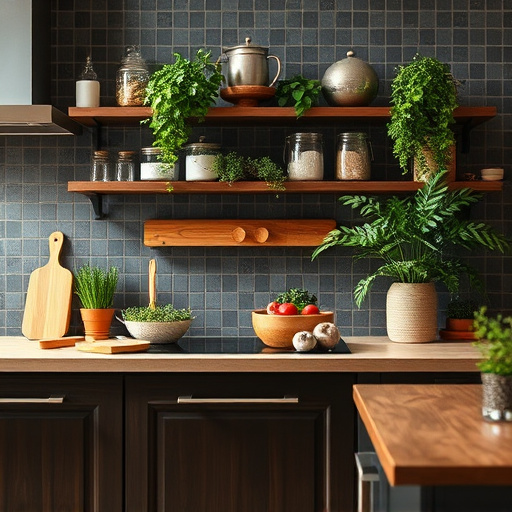
When greening your kitchen through renovations, selecting sustainable materials is a key step beyond initial cost considerations. Materials like bamboo, reclaimed wood, and linoleum offer not only an eco-friendly alternative to traditional options but also bring long-term benefits. These choices often boast superior durability, reducing the need for frequent replacements, thereby minimizing waste. For instance, bamboo flooring, known for its rapid renewability, can last over a decade with proper care, outperforming conventional timber alternatives in terms of longevity.
Kitchen renovations present an ideal opportunity to invest in materials that not only align with environmental sustainability but also enhance indoor air quality, a critical aspect often overlooked. Natural materials like cork and cotton fabrics act as natural air purifiers, absorbing toxins and releasing oxygen. Data from studies conducted by the U.S. Environmental Protection Agency (EPA) indicates that improving indoor air quality through proper ventilation and using low-VOC (volatile organic compound) emitting materials can lead to significant reductions in health risks associated with poor air quality. This is particularly important as folks spend a considerable amount of time in their kitchens, making it a healthier space for cooking and gathering.
Beyond the immediate benefits, choosing sustainable materials for kitchen renovations contributes to a broader ecological footprint reduction. According to Global Reporting Initiative (GRI) standards, buildings account for approximately 40% of global carbon emissions. By selecting recycled or reclaimed materials, you’re actively reducing this environmental impact. For instance, using recycled glass countertops not only diminishes the demand for new resource extraction but also diverts materials from landfills, illustrating a holistic approach to sustainability. Incorporating these eco-friendly solutions during kitchen renovations can set the stage for a more sustainable lifestyle, inspiring similar choices in other areas of your home and community.
By exploring eco-friendly options for kitchen renovations, you can significantly contribute to a greener future. Sustainable materials like recycled countertops, bamboo cabinets, and organic finishes offer both environmental and aesthetic benefits. The article highlights that these choices not only reduce your carbon footprint but also enhance the longevity and value of your space. Installation methods that prioritize energy efficiency and proper disposal ensure long-term savings. Adopting these practices in kitchen renovations is a powerful step towards a more sustainable lifestyle, proving that going green can be both practical and stylish.